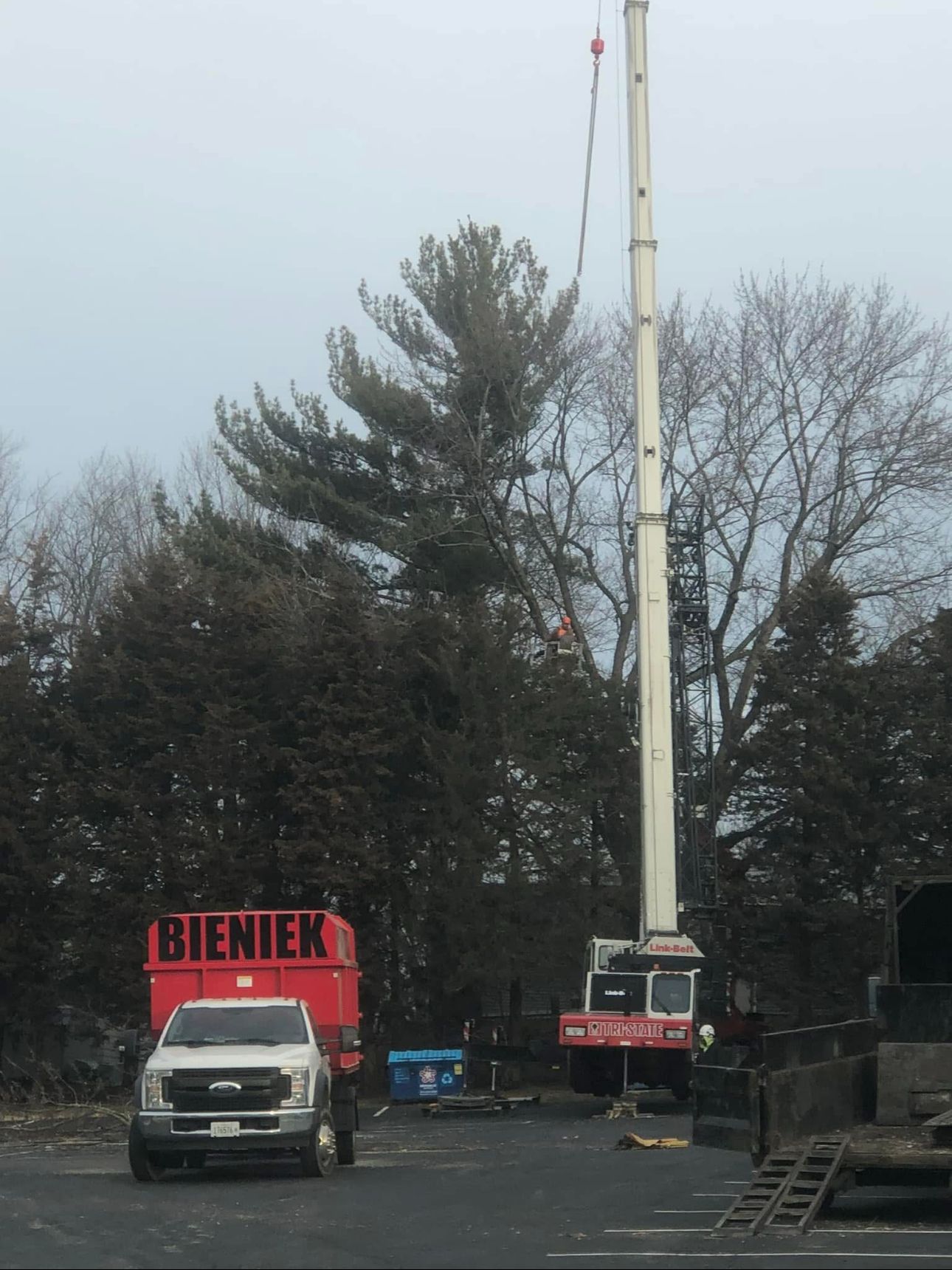
Trimming maple trees at the wrong time can lead to excessive sap loss, slow wound closure, and increased disease risk. At Bieniek Tree Service, we understand the nuances of maple tree care and are here to guide you through the precise windows for safe pruning. This comprehensive guide will cover the best times for pruning, essential techniques, species-specific advice, common pitfalls, recovery care, and when to call in our professional arborists. By following these guidelines, your maple trees will heal quickly, flourish robustly, and remain structurally sound.
The Optimal Times for Pruning Maple Trees (Health & Growth)
For most maples, plan pruning during lower-activity periods to minimize stress and reduce pathogen risk. Two windows consistently perform best:
- Late winter (primary window): Prune before bud-break. Sap pressure and pathogen activity are lower, making it ideal for structural cuts and removing dead or crossing limbs.
- Late summer (secondary window): After the year’s flush slows, perform maintenance thinning and hazard reduction. This avoids stimulating tender growth before winter.
Avoid:
- Late spring: peak sap flow → excessive bleeding and wasted energy.
- Fall: cool, moist conditions slow sealing; some diseases spread more readily.
It’s important to note that pruning in fall can hinder healing due to cooler, moist conditions that slow wound closure and invite disease. Similarly, late spring pruning coincides with peak sap flow, leading to excessive bleeding that can deplete the tree’s energy reserves and increase dehydration risk. By avoiding these periods, you preserve the tree’s vigor and minimize stress.
Mastering Maple Pruning: Techniques & Tools
Clean, precise cuts protect the branch collar and help the tree seal naturally.
Essential tools
- Bypass pruning shears: branches ≤ ¾”
- Loppers: branches ≤ 2″
- Curved pruning saw: larger limbs; prevents bark tear
The branch collar & three-cut method (for larger limbs)
- Undercut ~12″ out, one-third through.
- Relief cut a few inches beyond, from the top, to drop the limb’s weight.
- Final cut just outside the branch collar—never flush, never leave a stub.
Young vs. Mature Maples: Different Goals
- Young maples: prioritize structure. Keep one central leader; select 3–5 well-spaced scaffold branches. Make small, conservative cuts.
- Mature maples: focus on maintenance—thin congested interiors to improve airflow/light, remove dead/diseased/rubbing wood, and correct weak or narrow crotches.
Species Notes (Maples Are Not All Alike)
- Japanese maples: delicate wood. Favor late winter or right after leaf drop for light, shaping cuts that preserve the layered form. Avoid heavy spring cuts.
- Sugar maples: tolerate structural work in late winter; use late summer for minor maintenance to limit bleed.
- Red & silver maples: faster growth, more weak attachments. Prioritize late winter structural corrections; consider late summer for follow-up. Avoid big spring cuts.
Common Mistakes to Avoid
- Over-pruning: removes too much leaf area → stress, weak water sprouts.
- Topping: creates large wounds and brittle regrowth; increases failure risk.
- Bad cut placement: flush cuts damage the collar; stubs decay. Always cut just outside the collar.
Species-Specific Pruning Considerations
- Japanese Maples: Known for their delicate wood and thin bark, Japanese maples benefit from pruning during late winter or immediately after leaf drop in fall. The goal is to shape their natural, layered silhouette using sharp shears for light cuts, avoiding heavy pruning that can cause excessive bleeding or damage.
- Sugar Maples: While tolerant of heavier pruning, sugar maples can bleed profusely if pruned in early spring. Major structural pruning is best done in late winter, with minor maintenance trimming in late summer. Removing dead or crossing limbs helps maintain their vitality and supports sugar production.
- Red and Silver Maples: These species grow rapidly and often develop weak branch attachments. Pruning in late winter is crucial for removing narrow-crotch branches, which are prone to breakage. For silver maples, in particular, avoid large cuts in spring; late summer trimming is preferable to minimize sap loss and address structural issues.
Common Pruning Mistakes to Avoid
Steering clear of common pruning errors is essential for preserving the health and structural integrity of your maple trees. At Bieniek Tree Service, we often see the consequences of these mistakes and are here to help you avoid them.
- Overpruning:Removing too much foliage can impair photosynthesis and deplete the tree’s energy reserves. Excessive cuts can also stimulate the growth of weak, water sprouts (epicormic shoots), which can create safety hazards and strain the tree’s resources.
- Topping: This practice, which involves cutting off entire branch tips or large limbs indiscriminately, creates large wounds that are difficult for the tree to heal. It encourages weak, rapid regrowth that is often brittle and susceptible to pests, diseases, and storm damage.
- Improper Cut Placement: Cutting too close to the trunk (flush cuts) or leaving a long stub can both hinder the tree’s natural healing process. Flush cuts damage the branch collar, while stubs can decay and serve as entry points for disease. Precise cuts just outside the branch collar are critical for effective sealing and healthy recovery.
Proper pruning techniques, like those employed by our certified arborists at Bieniek Tree Service, ensure that your maple trees remain healthy, strong, and beautiful for years to come.
Post-Pruning Care and When to Call the Professionals
Understanding what happens after pruning and knowing when to seek professional help are crucial aspects of maple tree care. Proper after-care accelerates recovery and minimizes risks, while professional intervention ensures safety and optimal results for complex tasks.
Maple Tree Recovery: Sap Bleeding and Wound Care
Sap bleeding after pruning is a normal occurrence, especially in early spring, and is not harmful to the tree’s long-term health. This visible sap flow is a result of the tree’s natural sugar transport system. While it may look alarming, the tree quickly replaces lost fluids, and properly placed pruning cuts facilitate effective healing. To prevent disease and pest infestation, always use clean, sharp tools. For wounds larger than 2 inches, consider applying a pruning sealant to help protect against insects and fungi. Promptly removing and disposing of diseased wood also minimizes the spread of infection.
Best Practices for Maple Tree Recovery
After pruning, ensure consistent soil moisture without waterlogging the roots. Applying mulch around the drip line helps conserve moisture, regulate soil temperature, and suppress weeds. Regularly monitor the pruning sites for new callus growth, which indicates healthy healing. It’s also advisable to avoid additional stressors, such as fertilizing or heavy irrigation, until the next growth cycle begins.
When to Call someone for Expert Pruning
Call Bieniek Tree Service if you have:
- Limbs > 4 inches in diameter
- Branches near roofs, utilities, or roads
- Narrow unions, cracks, cankers, fungal conks, or extensive deadwood
- Past storm damage or compromised structure
Our ISA-trained crews use proper rigging, bucket trucks, and ground protection to keep your property safe. Get a Free Estimate
Service Areas (Quad Cities)
Rock Island • Moline • East Moline • Davenport • Bettendorf • Silvis • and nearby.
Looking for a trusted tree company? You’re in the right place—Bieniek Tree Service provides safe removals, precise trimming, stump grinding, and emergency response across the Quad Cities.
Ready to Ensure Your Maple Trees Thrive?
Let the experts at Bieniek Tree Service provide professional pruning and care for your valuable trees. We offer comprehensive services to keep your landscape healthy and beautiful.
FAQs: Maple Pruning & Local Tree Service
Q1: What month is best to trim maples here?
Late February through early March is ideal; late summer is a strong secondary option.
Q2: Will pruning in spring kill my tree if it bleeds?
No—bleeding looks dramatic but typically isn’t harmful. Focus on proper cuts and after-care.
Q3: Do you haul debris and grind stumps?
Yes. We can remove all debris and provide stump grinding on request.
Q4: Are you insured?
Yes—fully licensed and insured.
Q5: Do you offer emergency service after storms?
Yes. We prioritize hazards, blocked driveways, and utility conflicts